
Powered By



It’s easy to mistake chronic hives (also called chronic urticaria) for other skin conditions, such as bug bites, scabies, and eczema. One condition that can have some similar symptoms to chronic hives is shingles, but there are important differences between the two.
Understanding the differences between chronic hives and shingles can help you get the right diagnosis and treatment. If you notice a new or changing rash, or if you’re not sure what’s causing your skin symptoms, consider seeing a dermatology specialist. They can help determine your diagnosis and recommend the most effective treatment options for you.
Chronic hives and shingles can both cause uncomfortable, visible changes on your skin, but there are important differences in how they appear.
The key difference is that a shingles rash usually produces clusters of clear, fluid-filled blisters that are limited to one side of the body. These blisters typically follow a predictable pattern: The skin may feel tingly or sore at first, then blisters appear, break open, and eventually form scabs.
Chronic hives, however, tend to be unpredictable. Hives are raised, itchy welts that can vary in size and shape, appear on different parts of the body, change quickly, and sometimes disappear and return within hours.

It’s understandable to confuse the two conditions, since both can cause discolored patches of skin that may be painful or itchy. Confusion is especially common in the early stages of shingles, before the blisters form. At this stage, the rash may look similar to hives, especially if it appears as a discolored, irritated patch.
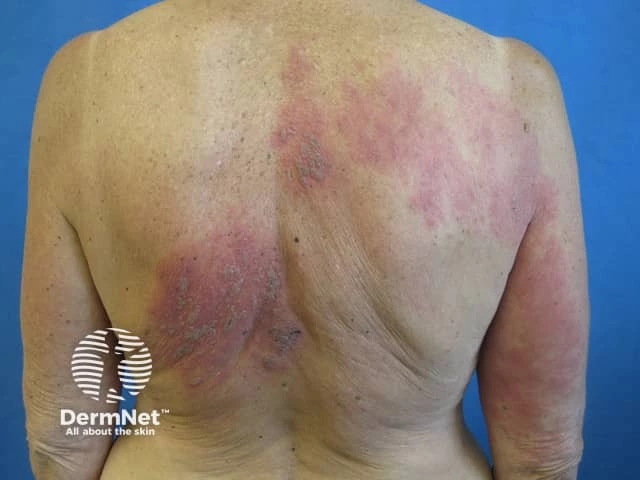
Shingles often causes symptoms before any visible rash appears. This early period is called the prodromal phase. During this phase, people usually feel pain in the area where the rash will develop. This pain may be described as stabbing, stinging, tingling, burning, or shooting.
Chronic hives can also be painful, but the pain is linked to the rash itself, rather than occurring before the rash appears. Some people with chronic hives may have swelling, especially around the face, which can be uncomfortable or painful. However, the pain and swelling are part of the skin symptoms, rather than a warning sign that comes first.
One of the biggest differences is how much itching occurs. Chronic hives almost always cause itching, which can be so severe that it disrupts sleep or daily life. While shingles can also itch, that itchiness is usually associated with tingling and may not be one of the central symptoms that you experience with the condition.
Shingles can cause additional symptoms that do not occur with chronic hives, including:
These symptoms can show up during the prodromal phase and may last as the rash develops, too.
Chronic hives, on the other hand, don’t cause these types of flu-like symptoms.
Chronic hives and shingles usually appear at different rates on the body. Hives tend to develop quickly — within an hour or two after you’re exposed to a trigger (anything that starts or worsens symptoms). Sometimes, chronic hives seem to appear out of nowhere, even when the exact cause isn’t clear.
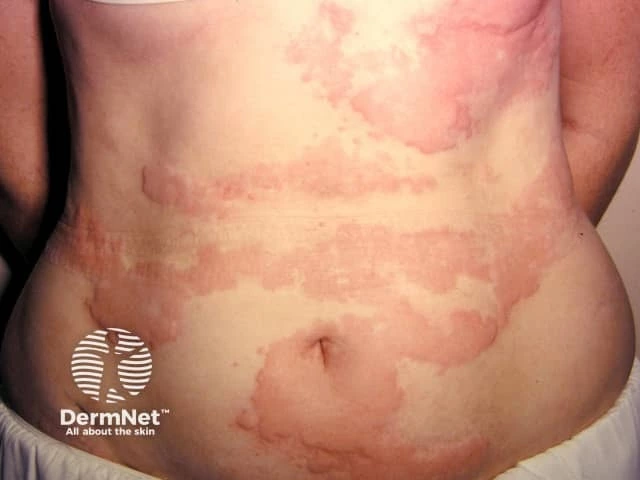
Shingles, on the other hand, tends to develop more slowly. The prodromal phase may last between one day and four days. Once active, the shingles rash goes through several stages, including blisters, scabs, and healing. This active phase can last two to four weeks.
Because of this, shingles rarely comes on as suddenly as hives, and most people notice warning signs before they see a rash.
Shingles generally lasts somewhere between three and five weeks. Chronic hives, on the other hand, are defined by symptoms that last at least six weeks and may come and go for months or even years.
It’s important to know that, in some cases, shingles can lead to long-term symptoms, but this doesn’t happen to everyone. Those who do may have symptoms for a year or longer. After the shingles rash heals, a person may experience ongoing nerve pain, numbness, tingling, or burning in the area where the rash appeared. This condition is called postherpetic neuralgia. While these symptoms can be long-lasting, the rash itself goes away. Once shingles reaches this stage, it usually doesn’t look like chronic hives anymore, since the skin rash has disappeared.
A key difference between shingles and chronic hives is that they have different causes.
Shingles is caused by the same virus that causes chickenpox, the varicella-zoster virus. Sometimes, people recover from chickenpox, but the virus remains dormant (inactive) in some of their nerve cells. Years later, the virus can reactivate and cause shingles. Health experts don’t know exactly what reactivates the virus, but it may be related to weakened immunity or stress.
Chronic hives, by contrast, are caused by the immune system releasing chemicals like histamine, which leads to symptoms on the skin. Some people can identify what triggers this immune reaction, in which case they’re diagnosed with chronic inducible urticaria (CIndU). For others, there’s no clear trigger. This is known as chronic spontaneous urticaria (CSU) or chronic idiopathic urticaria (CIU). This immune system reaction is very different from the reactivated virus that leads to shingles.
Different groups of people are at risk for shingles and chronic hives. To develop shingles, a person must have had chickenpox earlier in life. Shingles is more likely to occur in adults over age 50 or in people with weakened immune systems, such as those undergoing cancer treatment or living with human immunodeficiency virus (HIV). Stress may also play a role in reactivating the chickenpox virus, but more research is needed to fully understand this connection.
Chronic hives are much harder to predict. While they are most common in women between ages 30 and 50, according to Cleveland Clinic, anyone can develop chronic hives.
People with certain autoimmune diseases — such as diabetes, lupus, rheumatoid arthritis, thyroid disease, or vitiligo — are at a higher risk for developing chronic hives at some point. Other factors that may increase risk include certain infections, allergies, some types of cancer, and vasculitis (swelling of blood vessels).
If you think you might have shingles, it’s important to see a healthcare professional as soon as possible. Starting treatment early can help you avoid complications like long-term nerve pain.
Although there’s no cure for shingles, antiviral medications can help your body heal faster. These medications work best if started within three days of the rash appearing. That’s why seeing a doctor quickly is key.
With chronic hives, you should see a doctor if:
If you already know you’re living with chronic hives, you should see a healthcare provider if your symptoms get worse or if they keep coming back, even if there are long periods without symptoms. You might need to adjust your treatment plan to find something that works better for you.
Chronic hives aren’t usually linked with life-threatening allergic reactions. However, hives in general can sometimes be part of a severe allergic reaction. If you notice symptoms such as dizziness, confusion, difficulty breathing, or swelling of your mouth or airway, along with hives, this could be a sign of anaphylaxis — a life-threatening emergency. Seek emergency medical care right away if this happens.
On MyChronicHivesTeam, people share their experiences with chronic hives, get advice, and find support from others who understand.
If you’ve had shingles or chronic hives, what helped you tell the difference? Let others know in the comments below.
Get updates directly to your inbox.


 Continue with Facebook
Continue with Email
Continue with Facebook
Continue with Email
Continue with Facebook
Continue with Email
Continue with Facebook
Continue with Email
Become a member to get even more





 Join
Join

 Your Privacy Choices

This is a member-feature!
Sign up for free to view article comments.
We'd love to hear from you! Please share your name and email to post and read comments.
You'll also get the latest articles directly to your inbox.