
Powered By



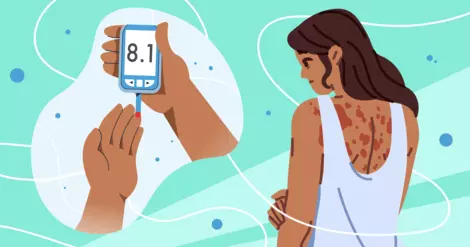
Itchy, discolored skin can be frustrating and uncomfortable, especially when you’re not sure what’s behind it. Chronic hives and eczema are two common culprits, and while they can look similar, there are important differences between them.
Understanding what sets these conditions apart — their causes, symptoms, and how they feel — can help you and your healthcare provider get to the root of your skin issues and find effective ways to manage them. In this article, we discuss the differences and similarities between chronic hives and eczema and what you need to know to manage each skin condition.
Hives are a rash that causes round, itchy, raised areas on the surface of your skin that are sometimes painful. If you have hives for longer than six weeks, they are considered chronic hives. They are still considered chronic even if they come and go during that time. The medical term for chronic hives is “chronic urticaria.”
Researchers estimate that as many as 5 percent of people may get chronic hives at some point in their lives. According to Cleveland Clinic, it’s most common in women between the ages of 30 and 50.
There are two categories of chronic hives:
Both eczema and hives can cause itching and discoloration, and they can both be chronic conditions, but they have different appearances, causes, and treatments.
Eczema is a skin condition that affects the outermost layer of the skin. Eczema happens when the surface of your skin becomes inflamed. It can cause skin cracking, flakiness, dryness, and oozing. Skin may also become crusty and scaly. The most common type of eczema is called atopic dermatitis.
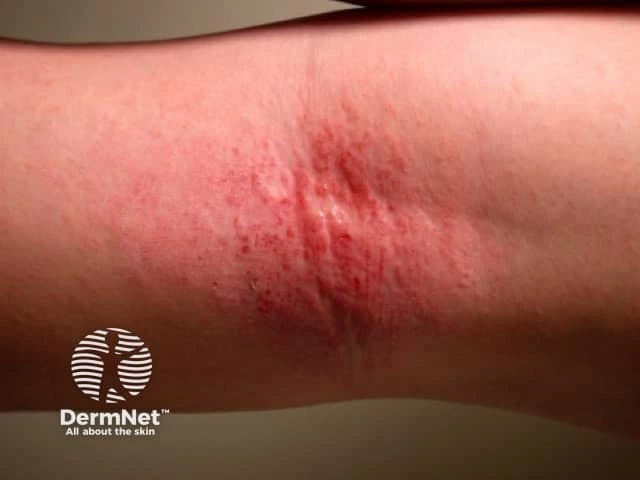
Chronic hives, on the other hand, are caused by inflammation in the second layer of your skin. This inflammation causes raised, discolored bumps or circular sections of skin that are the same texture as the rest of your skin. It can also cause swelling. These bumps can be red, grayish, brown, purple, or the same color as the rest of your skin, depending on your specific symptoms and skin color. They can also become worse at night.
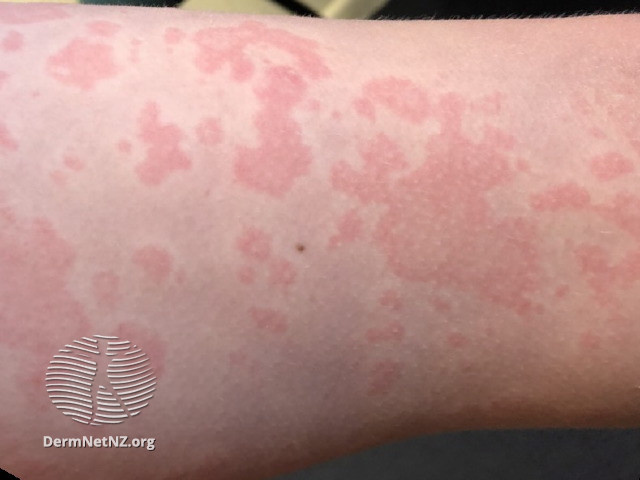
If you have a skin rash, there are a few ways a healthcare provider will tell the difference between hives and eczema.
A single area of hives will usually go away faster than an eczema rash. Individual hives usually go away without treatment within one to 24 hours, although swelling can last longer, and chronic hives generally pop up in new places even as they heal in others.
An eczema rash lasts longer, usually for a few days to a few weeks.
If you have hives (either acute or chronic), your skin may form raised lines where you scratch the area. The lines will likely be red if you have light skin and pale if you have darker skin. This symptom is called dermatographism, and it is common with hives. For eczema, on the other hand, scratching at your skin can cause cracking, crusting, and oozing, which look and feel different from the defined “scratch” welt that often happens with hives.
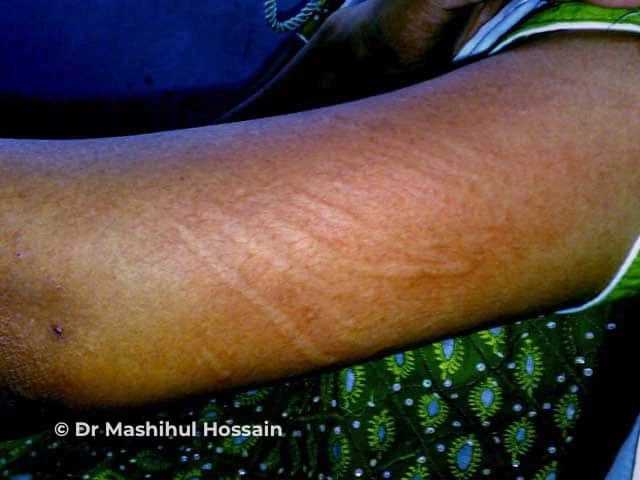
Eczema and chronic hives also differ based on where they occur on the body:
Both eczema and chronic hives can be related to an allergic reaction or caused by an allergen. But even though hives can be caused by an allergic reaction (sometimes called a histamine reaction), it’s more common for there to be no identifiable trigger. Some studies suggest that in 80 percent to 90 percent of people with chronic hives, there’s no specific trigger.
In cases where there’s a specific allergy-related trigger, there are often differences between what triggers eczema and hives:
For both conditions, your healthcare team might include a dermatologist, an allergist, and your primary care provider. To diagnose a skin condition, your healthcare provider will ask about your symptoms and medical history. They may perform tests like allergy testing, which includes either placing a small amount of allergen on the surface of your skin (patch testing) or lightly pricking you with different allergens to see how your skin reacts (prick testing).
For both skin conditions, you’ll probably be asked to journal or keep a record of when your flare-ups happen and what you were eating, drinking, wearing, or doing during that time. Keeping track of how your skin feels over time can help you notice patterns and think of changes that might help you manage your condition.
Some common home remedies that could work to ease the itching and discomfort of both hives and eczema. You could try tips such as these:
Because chronic hives may result from a histamine reaction related to an allergic response (even when you aren’t allergic to any specific thing), the first type of treatment your healthcare provider may try is allergy medications like antihistamines. If those don’t work, they might prescribe an injected biologic medicine that you receive about once per month.
If neither allergy pills nor shots work well, your healthcare provider might also prescribe corticosteroids like prednisone, a malaria drug called hydroxychloroquine, or an immunosuppressant called cyclosporine.
To calm the itching and discomfort of atopic dermatitis (the most common type of eczema), your healthcare provider will likely start with a topical corticosteroid, usually an ointment or cream you apply during flare-ups. Eczema treatment options also include topical calcineurin inhibitors, light therapy, biologics, Janus kinase (JAK) inhibitors, and antibiotics if there is also a skin infection.
If your chronic hives are disrupting your daily life, it’s time to talk to your healthcare provider. Persistent itching, discoloration, and swelling are all good reasons to talk to a healthcare professional.
Because eczema and chronic hives can look similar, it might take some patience and observation to tell them apart. Working closely with your healthcare provider can help you find effective treatments and prevent unnecessary discomfort or long-term skin damage.
On MyChronicHivesTeam, people share their experiences with chronic hives, get advice, and find support from others who understand.
Have you experienced chronic hives, eczema, or both skin conditions? Let others know in the comments below.
Get updates directly to your inbox.



 Continue with Facebook
Continue with Email
Continue with Facebook
Continue with Email
Continue with Facebook
Continue with Email
Continue with Facebook
Continue with Email
Become a member to get even more





 Join
Join

 Your Privacy Choices

This is a member-feature!
Sign up for free to view article comments.
We'd love to hear from you! Please share your name and email to post and read comments.
You'll also get the latest articles directly to your inbox.