
Powered By


When Nicole Shelton first noticed a spot on her skin, she didn’t immediately recognize it as a sign of chronic spontaneous urticaria (CSU), a common type of chronic hives.
“The very first time I had chronic hives, I assumed it was a mosquito bite,” she said.
Sign up to view the results!
 Continue with Facebook
Continue with Email
Continue with Facebook
Continue with Email
Nicole, a speech-language pathologist from Atlanta, didn’t think much of the spot at first. Then, more hives began to appear over time.
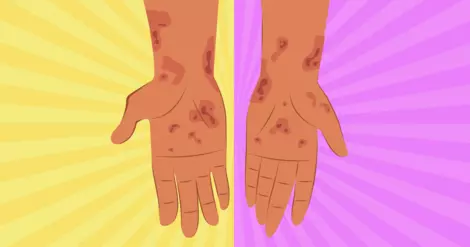
Chronic hives can look and feel different from person to person. For Nicole, they ranged widely in size.
What Do Chronic Hives Look Like? A Member’s Journey
Nicole shares her chronic hives diagnosis journey and encourages others to seek answers, stay open, and find support.
Watch More Videos From Nicole


00:00:00:02 - 00:00:23:22
Nicole Shelton
The very first time I had chronic hives, I assumed it was a mosquito bite. However, once I learned what chronic hives was, I then began to seek answers. Some of the hives started as small as a penny, increasing to about a quarter, and some of them were big, like a golf ball, or like a tennis ball. My face can swell, my hands swell, my feet swell.
00:00:23:24 - 00:00:46:10
Nicole Shelton
The hives felt like something was on fire underneath my skin, as if there was an itch that I couldn't scratch. I would describe it as itchy sweater, but with hives you can't take off your skin. So you have this constant itchy, scratching, abrasive touch to your body. The process of getting my diagnosis started with a lot of unanswered questions.
00:00:46:10 - 00:01:11:02
Nicole Shelton
I began speaking with my primary care physician. I went to my endocrinologist, dermatologist, and ultimately, an allergist’s office, who was able to finally help me understand what was going on. Finally receiving a diagnosis with chronic spontaneous urticaria, or CSU, truly changed my life because I was able to now research and find other things that can help me understand what I was truly dealing with.
00:01:11:03 - 00:01:31:22
Nicole Shelton
The advice I would give to someone who's suffering from chronic hives is take your time that this journey is not a one day process, but it's going to take a while. Allow yourself to be open to learn and try new things. Seek community. Don't withdraw, but lean in. Learn more and connect at MyChronicHivesTeam.com.
“Some of them started as small as a penny, increasing to about a quarter,” she said. “And some of them were big … like a golf ball or a tennis ball.”
Nicole also experienced swelling beyond the raised areas on her skin.
“My face can swell, my hands swell, my feet swell,” she said.
The appearance of Nicole’s hives was only one part of her experience. The itching and discomfort she experienced could become intense.
“The hives felt like something was on fire underneath my skin,” she said.

Nicole compared the sensation to wearing uncomfortable clothing that couldn’t be removed.
“I would describe it as an itchy sweater,” she said. “But with hives, you can’t take off your skin. So you have this constant itchy, scratching, abrasive touch to your body.”
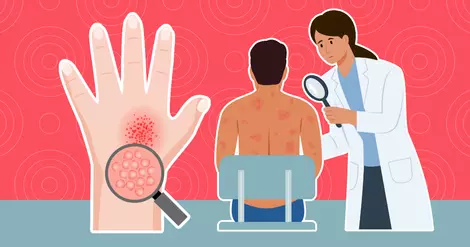
Finding answers took time. Nicole spoke with several healthcare professionals as she tried to understand what was happening to her body.
“The process of getting my diagnosis started with a lot of unanswered questions,” she said. “I began speaking with my primary care physician. I went to my endocrinologist, a dermatologist, and ultimately an allergist’s office.”
It took two and a half years for Nicole to receive a diagnosis of chronic spontaneous urticaria (CSU).
Receiving a diagnosis gave Nicole a clearer path forward.
“Finally receiving a diagnosis of chronic urticaria truly changed my life,” she said, “because I was now able to research and find other things that can help me understand what I was truly dealing with.”
Today, Nicole shares her experiences with chronic hives in the hope of helping others feel less alone. She encourages people who are still searching for answers to be patient with themselves.
“Take your time,” she said. “This journey is not a one-day process. … It’s going to take a while. Allow yourself to be open to learn and try new things.”
On MyChronicHivesTeam, people share their experiences with chronic hives, get advice, and find support from others who understand.
What do your chronic hives look like? Let others know in the comments below.
Get updates directly to your inbox.



 Continue with Facebook
Continue with Email
Continue with Facebook
Continue with Email
Continue with Facebook
Continue with Email
Continue with Facebook
Continue with Email

 Join
Join




 Your Privacy Choices

This is a member-feature!
Sign up for free to view article comments.
looking closer two your skin is the way,it all happens
We'd love to hear from you! Please share your name and email to post and read comments.
You'll also get the latest articles directly to your inbox.