
Powered By



 Continue with Facebook
Continue with Email
Continue with Facebook
Continue with Email
Cold hives — a common term for cold urticaria — are a type of allergic skin reaction that happens when your skin is exposed to cold temperatures. This can include cold weather, water, or objects.
Hives are a rash that forms itchy, sometimes painful, raised welts (also called wheals) or blotches on your skin. Depending on your skin color, they can appear red, brownish, purple, or even the same color as the rest of your skin.
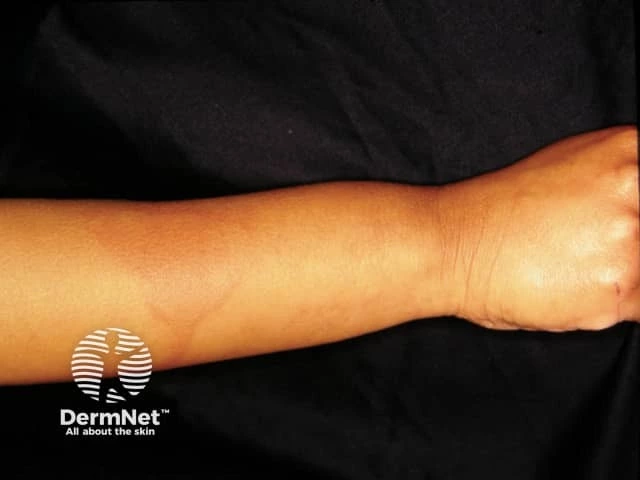
If you have cold urticaria, you might develop hives after:
Wondering if you might have cold hives? Read on for some important facts about this condition.
If you have hives most days of the week for longer than six weeks, they are considered chronic hives (also called chronic urticaria). If you have cold hives and are exposed to cold temperatures often, your symptoms may last long enough to be considered chronic. Hives are considered chronic even if they come and go but occur regularly with cold exposure.
Cold urticaria is rare but can range from mild to severe. Symptoms and reactions vary — some people get small welts, while others may have full-body symptoms like dizziness or swelling in the throat. The same person might also have a more severe reaction if they have a longer exposure.
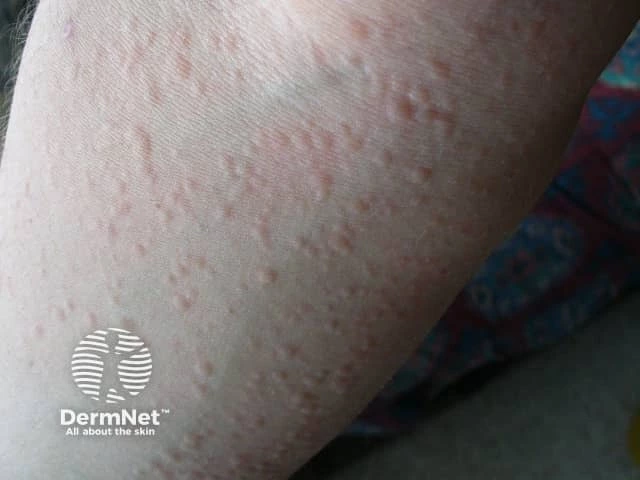
According to the National Organization for Rare Disorders (NORD), cold hives are considered a relatively uncommon subtype of chronic inducible urticaria.
Chronic inducible urticaria (CIndU) is a type of chronic hives that is caused by a specific trigger, usually a physical factor. Cold hives are classified this way because exposure to cold is a physical trigger that directly causes flare-ups.
Other CIndU triggers can include:
The other type of chronic hives, chronic spontaneous urticaria (CSU) — also known as chronic idiopathic urticaria (CIU) — is not triggered by anything specifically.
If you’ve developed rashes or welts after being exposed to cold temperatures, you might be tested for symptoms of cold urticaria when you go in for treatment.
The ice cube test, also called a cold stimulation test, involves placing a small bag of ice (or an ice cube in a plastic bag) against your skin for a few minutes. After removing the ice, your doctor will watch to see if a hive develops. The test is usually done on your forearm. If your skin reacts by forming a hive after cold exposure, it’s likely you have cold urticaria. However, some people with cold urticaria may not react during the test, so a negative result doesn’t always rule it out.
Research shows the test detects cold urticaria correctly in about 53 percent to 83 percent of people, and up to 50 percent of children with the condition can have a negative test.
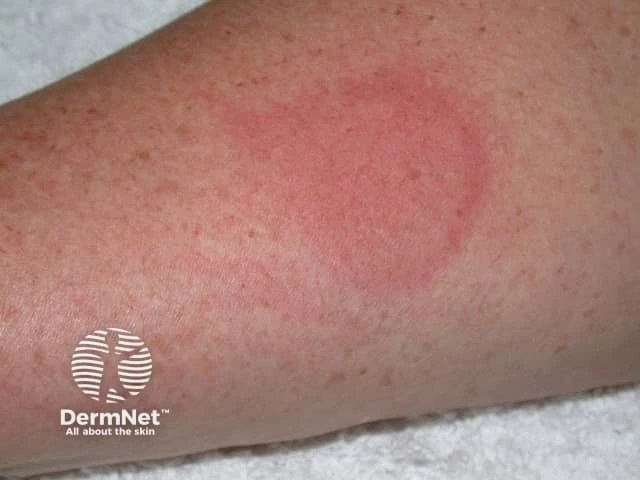
Newer testing devices have also been developed to help determine the exact temperature that triggers cold-induced urticaria. One such device uses a metal plate with a built-in temperature gradient. When the plate is placed on the skin, doctors can see the exact temperature where a hive reaction begins.
If you have cold hives, they will usually appear within a few minutes of being in cold air, cold water, or other cold exposure. But a hive rash can go away pretty quickly, too — usually within one to 24 hours without treatment. However, angioedema (swelling of the skin) can last longer. In cold hives, you usually need to warm up and recover from the cold exposure before your hives will go away.
Cold hives are most common among young adults. For some people with cold urticaria, the condition will go away on its own, oftentimes within a few years. Among all types of chronic hives, researchers estimate that about half of people will stop getting them within one year.
Doctors haven’t yet figured out how to prevent someone from developing an allergic sensitivity to the cold. However, they do know that people with cold urticaria often see a lot of relief from lifestyle changes that help them avoid cold temperatures.
These changes could include:
If you know you’ll be exposed to the cold and can’t avoid it, taking an over-the-counter allergy medicine (antihistamine) beforehand may help prevent a reaction. Talk to your healthcare team about the best options for you.
Also, be sure to tell your healthcare team about your cold urticaria if you plan to have surgery. Operating rooms are often cold, and it is possible to have a reaction while you are under anesthesia. Letting your healthcare team know about your condition helps them take steps to keep you safe.
Cold hives happen a lot like an allergic reaction: after cold exposure, your immune system releases chemicals — especially histamine — into your blood. This is sometimes called a histamine reaction.
The first type of treatment doctors usually recommend for cold hives is allergy medication, including antihistamines like cetirizine or loratadine.
If antihistamines aren’t enough, they might try monthly allergy shots of a drug called omalizumab (Xolair).
If you have cold hives, your doctor might recommend carrying an epinephrine autoinjector (EpiPen). This is a self-injecting device you can use to quickly treat a severe allergic reaction, just in case. They may also advise you to keep antihistamine tablets with you, so you’re prepared if you suddenly develop hives or swelling.
If allergy medicines don’t work, your doctor might prescribe corticosteroids like prednisone, an antimalarial and immunomodulatory drug called hydroxychloroquine, or an immunosuppressant called cyclosporine.
Home remedies could also help your symptoms go away faster or make you feel more comfortable. Some people find relief from:
Most of the time, cold hives just cause localized rashes and itching. But sometimes, a serious allergic reaction called anaphylaxis can occur. Anaphylaxis is a medical emergency. Symptoms can include dizziness, a racing or very slow heart rate, fainting, trouble breathing, and even shock.
Scientists think that the colder the air, water, or object is, and the more skin that's exposed to it, the higher the risk of a severe reaction. Swimming in cold water might be especially risky for people with cold urticaria, because fainting or losing consciousness in the water can lead to drowning. In fact, most severe systemic reactions in people with cold hives have happened during water activities like swimming.
It is also possible for cold foods or cold drinks to cause someone with cold urticaria to get swelling of the mouth, tongue, or throat. This type of swelling can be very dangerous and may make it hard to breathe.
If you are having trouble breathing, feeling confused, have swelling in your mouth or throat, or a racing heart, use your EpiPen if you have one, and call 911 or go to the nearest emergency room immediately.
Often, there’s no known cause when someone develops cold hives. However, sometimes they show an association with:
If your cold urticaria is interfering with your daily activities, or you fear it could be dangerous, it’s a good idea to talk to a healthcare professional. Your primary doctor might refer you to an allergist or dermatologist for diagnosis or further treatment.
On MyChronicHivesTeam, people share their experiences with chronic hives, get advice, and find support from others who understand.
How do you prevent or manage your cold hives? Let others know in the comments below.
Get updates directly to your inbox.



 Continue with Facebook
Continue with Email
Continue with Facebook
Continue with Email
Continue with Facebook
Continue with Email
Continue with Facebook
Continue with Email
Become a member to get even more





 Join
Join

 Your Privacy Choices

This is a member-feature!
Sign up for free to view article comments.
We'd love to hear from you! Please share your name and email to post and read comments.
You'll also get the latest articles directly to your inbox.