
Powered By



 Continue with Facebook
Continue with Email
Continue with Facebook
Continue with Email
If you break out in itchy, raised welts whenever you get overheated, you may be living with chronic hives caused by heat. This condition, sometimes called heat urticaria, can be frustrating and disruptive, affecting everything from your exercise routine to your ability to relax in warm weather. Because flare-ups can be unpredictable, you may find yourself always searching for relief.
The good news is that effective management is possible. By understanding your triggers and using targeted strategies, you can reduce how often hives happen and how bad they get. Here, we’ll share practical tips to help you soothe chronic hives from heat and improve your quality of life.
There are two types of chronic hives. Chronic spontaneous urticaria (also called chronic idiopathic urticaria) causes hives that keep coming back without a clear reason. Chronic inducible urticaria causes hives with a known trigger, such as heat. Hives triggered by body-temperature changes are called cholinergic urticaria (CholU). They’re also known as heat hives, heat urticaria, or heat bumps.
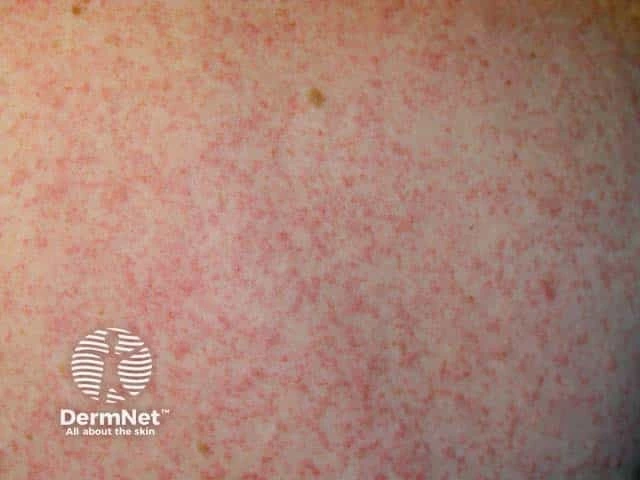
These hives usually show up when you get hot and start to sweat, but some people get them from heat alone, even if they don’t sweat much or at all. Researchers aren’t sure exactly what causes CholU. They do know that when some people are exposed to heat, the immune system reacts. This response produces the hives.
There are different types of CholU, and each might have a different cause inside the body. For types linked to sweating, researchers believe that sweating causes the body to release acetylcholine, a chemical with cholinergic activity. Acetylcholine can cause mast cells to release another chemical called histamine, leading to hives.
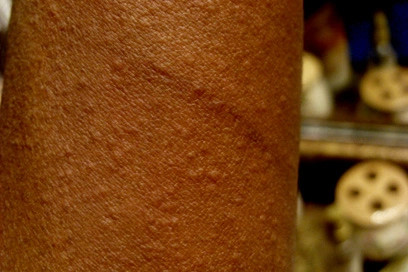
Research shows that some people may have an allergic reaction to their own sweat. When they sweat, their body releases histamine, causing hives.
For people who have CholU with little to no sweat, hives may be linked to blocked pores. Researchers know less about this potential cause, but one theory is that blocked pores and abnormal acetylcholine signaling may trigger the immune system, leading to hives.
The good news is that you can manage and treat chronic hives from heat, even if you don’t know the exact cause. If you get hives often, it’s important to track when they show up. If they regularly appear when you’re hot or sweaty, that may be a trigger for you. Other possible triggers include cold temperatures, pressure on the skin, and exercise.
One of the best ways to manage cholinergic urticaria is to avoid your triggers. Some people find that any kind of heat can bring on chronic hives, whereas others get symptoms only in certain situations. Once you pinpoint your triggers, you can take steps to avoid them — an important part of managing chronic hives from heat. Here are seven more self-care tips:
If you regularly get hives after a hot bath or a shower, try lowering the water temperature. The water doesn’t have to be cold — just using warm instead of hot water may make enough of a difference to prevent hives.
What you wear may help you stay cool and avoid flare-ups. Choose loose-fitting, lightweight clothes, especially on hot days. Wearing items made from fabrics that wick away sweat may be especially helpful if sweating makes your hives worse.
If you start to feel too hot, cooling your body quickly can help. Using a cold compress can be an effective way to cool down, as long as cold itself isn’t a trigger for your hives. Try putting a washcloth under cold water, squeezing it out, and placing the damp cloth on your skin. You can also wrap ice cubes or an ice pack in a clean washcloth. Cold compresses may also help relieve itching from hives.
Try to avoid overheating by planning your day around keeping cool. Aim to stay in the shade, use a fan, or spend time in air-conditioned spaces. You might find that doing outdoor activities early in the morning or later in the evening helps you avoid flare-ups.
Emotional stress can also raise body temperature and cause sweating, which may lead to hives. Learning how to manage stress may help you avoid flares. Stress management looks different for everyone. Getting enough sleep, eating well, and building supportive relationships can all help. If you need more ideas, your healthcare provider can recommend resources.
Exercise can cause your body to get hot, sweat, and break out in hives. For some people, physical activity itself may cause the body to release histamine and produce hives, regardless of the temperature. Regular exercise is important for overall health and stress management, so you might not want to stop entirely. You can try exercising in the morning or evening, working out indoors where it’s cool, or picking activities that don’t make you overheat or sweat as much.
Spicy foods can make you feel warm and trigger hives. If this happens to you, avoiding these foods may help prevent flares. If spicy foods are an important part of your life, talk with your dermatology provider. Sometimes you can find a balance, such as eating a small amount of spice or taking medication before meals to lower the chances of a reaction.
There are several ways to treat chronic hives related to heat. Your healthcare provider can help you figure out if a medication might be right for you. Options may include:
It’s important to keep track of your symptoms and possible triggers. Having a record of your symptoms and potential triggers can help you and your healthcare provider understand how often you get hives, how long they last, and whether there is a pattern in your symptoms.
If you feel like your medications and management strategies aren’t helping, talk with your doctor. The right treatment plan can help you feel your best while living with chronic hives from heat.
On MyChronicHivesTeam, people share their experiences with chronic hives, get advice, and find support from others who understand.
What works for you to manage chronic hives from heat? Let others know in the comments below.
Get updates directly to your inbox.




 Continue with Facebook
Continue with Email
Continue with Facebook
Continue with Email
Continue with Facebook
Continue with Email
Continue with Facebook
Continue with Email
Become a member to get even more





 Join
Join

 Your Privacy Choices

This is a member-feature!
Sign up for free to view article comments.
I can appreciate that it just aggravates the condition but no I break out of my face constantly with like hives it's horrible you can't actually see them and it's a reaction from what they put in my… read more
We'd love to hear from you! Please share your name and email to post and read comments.
You'll also get the latest articles directly to your inbox.