
Powered By



 Continue with Facebook
Continue with Email
Continue with Facebook
Continue with Email
Chronic hives, or recurrent hives (hives that come back repeatedly), can be an ongoing problem in your life, even affecting your social life and interactions. People who don’t know much about chronic hives might see them and assume they’re contagious, driving them to keep a distance or avoid physical contact.
The good news is that hives themselves aren’t contagious. You can’t spread them to someone else through touch. However, it is possible for some contagious illnesses to trigger chronic hives. In this article, we discuss hives, the difference between acute and chronic hives, and what causes them.
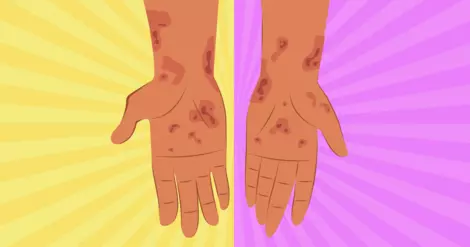
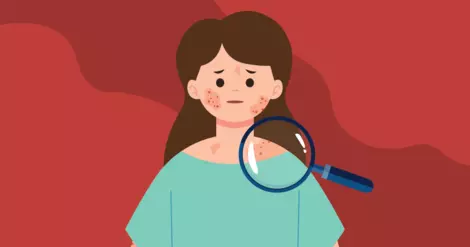
Hives (also called urticaria) generally look like small red bumps, dots, or welts on the skin. They can also take on the tone of your skin and tend to be harder to see on darker skin tones. They can appear almost anywhere on your body, and you may have many or as few as one.
Pressing on a hive with your finger causes the center to turn white or lighten in color. This is called blanching, and it’s a telltale sign that the marks on your skin are hives.
Hives itch, and the itching can get worse if you scratch them.
In many cases, hives are acute, which means they last no longer than a few weeks before clearing up. You may have chronic hives if your hives last longer than six weeks. Hives can also recur (come back) over and over again.
Both chronic and recurrent hives can affect your quality of life, causing issues with sleep (because of the itching) and self-image (because of how they look). They can be especially distressing if you’re not sure what causes or triggers them.
While 20 percent of people will experience hives in their lifetime, up to 4.4 percent of people will get chronic hives at some point.
There are two types of chronic hives. Chronic spontaneous urticaria (also called chronic idiopathic urticaria) is unpredictable and doesn’t have an identifiable trigger or cause. Chronic inducible urticaria does have an identifiable trigger or cause.
Some specialists estimate that up to 90 percent of cases of chronic hives have unknown causes.
Most known causes of chronic hives aren’t contagious:
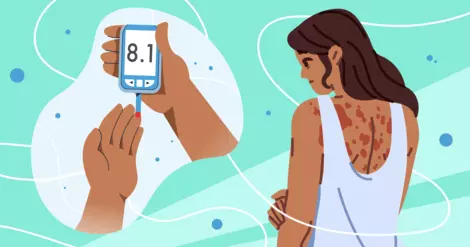
Around 20 percent of people with chronic hives have some underlying autoimmune disease. Autoimmune diseases are conditions that stem from an overactive immune system, causing it to attack certain tissues in your body. Usually, your immune system defends your own tissues from germs like viruses and bacteria.
You might develop hives alongside autoimmune diseases such as:
Inflammation is a common sign of an autoimmune disease, including skin inflammation in chronic hives.
Hot or cold temperatures that change your body temperature can be a trigger for chronic hives. Cold air or cold water can trigger cold urticaria, while hot air or hot water can trigger heat urticaria.
Similarly, sun exposure can trigger chronic hives. When hives appear in response to ultraviolet (UV) rays, they’re called solar urticaria. Another heat-related trigger for chronic hives is excessive sweating, which can trigger cholinergic urticaria.
For some people, pressure, friction, or vibration on the skin can trigger chronic or recurrent hives.
Your skin might be sensitive to specific materials, and when you touch them, chronic or recurrent hives can flare up. Different metals, fragrances, and chemical compounds might cause contact urticaria.
Rarely, an acute case of hives can become chronic. It’s possible to develop chronic hives from short-term hives caused by triggers like touching poison ivy or poison oak, for example.
Some people get acute hives as part of an allergic reaction. Hives may become chronic after an acute allergic reaction to common allergens (things you’re allergic to):
Developing chronic hives from a contagious trigger is rare, as contagious causes of hives usually lead to acute hives.
Viral infections (infections caused by viruses) may cause hives, but the hives tend to clear up after the infection resolves. It’s possible to get hives from a viral infection like the common cold, COVID-19, or hepatitis. These viral infections can be spread from person to person, but catching the infection doesn’t necessarily mean you’ll get hives.
Some contagious bacterial infections, like strep throat, can also cause acute hives that may become chronic.
Even knowing you can’t spread your hives to other people, you may want to treat your chronic hives to get rid of the itching, sleep better, and restore your skin’s appearance. Chronic hives can take a toll on your mental health — around one-third of people living with chronic hives also experience anxiety or depression.
Chronic hives can be challenging to treat, especially if you don’t know the cause or trigger. The good news is that around half of the cases of chronic hives go away within a year, even without treatment. But in the meantime, some treatments can help reduce the itching.
Your doctor can help you find a treatment plan that improves the symptoms of chronic hives. They may recommend:
Always take medications for chronic hives as they’re prescribed by your doctor.
While following your doctor’s treatment instructions, you can also take steps to alleviate some of the itching from chronic hives at home:
Hives are a common skin reaction, but not all hives are chronic. Talk to your doctor, allergist, or dermatologist if you have hives or skin swelling that lasts longer than a week or if your hives keep coming back. Let your doctor know if itching is severe or if your hives look pus-filled or infected in any way.
Seek medical attention immediately if your hives appear with signs of anaphylaxis, a life-threatening allergic reaction. Anaphylaxis causes trouble breathing, swelling of the mouth and airway, weakness, and vomiting.
On MyChronicHivesTeam, people share their experiences with chronic hives, get advice, and find support from others who understand.
What was the cause of your chronic hives? Let others know in the comments below.
Get updates directly to your inbox.


Can red light therapy help with hives?

 Continue with Facebook
Continue with Email
Continue with Facebook
Continue with Email
Continue with Facebook
Continue with Email
Continue with Facebook
Continue with Email
Become a member to get even more





 Join
Join


 Your Privacy Choices

This is a member-feature!
Sign up for free to view article comments.
I got hives from a COVID-19 SHOT. they are horrid. Itching is so bad.I tried every OTC cream. Temporary. My right arm only. Go figure.
We'd love to hear from you! Please share your name and email to post and read comments.
You'll also get the latest articles directly to your inbox.